Advanced materials are the building blocks of innovation. They are materials that have been intentionally engineered or enhanced to offer superior performance, new functionalities, or greater sustainability compared to conventional materials.
At their core, advanced materials are designed to solve challenges, whether that means storing more energy, reducing weight without compromising strength, responding to external stimuli, or being produced and used in a more environmentally responsible way.
Not all new materials are advanced. What sets advanced materials apart is functionality. An advanced material typically:
Is designed with intent, its structure and properties are engineered at the atomic, molecular, or mesoscale (intermediate size between micro- and macroscopic scale).
Offers new or enhanced performance, such as higher conductivity, strength, flexibility, or responsiveness.
Is often created using innovative synthesis methods or digital design tools.
May be part of next-generation technologies, like smart wearables, green hydrogen, or quantum computing.
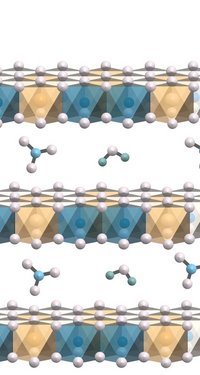
Advanced materials come in many forms. Some of the most prominent categories include:

Small structures with enormous potential, like graphene, carbon nanotubes or quantum dots, engineered at the scale of atoms and molecules.
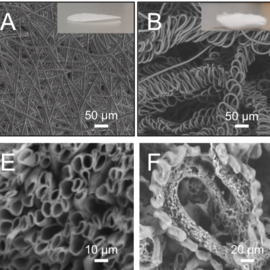
Materials that mimic natural systems or are used in medical technologies, such as self-healing coatings or biocompatible implants.
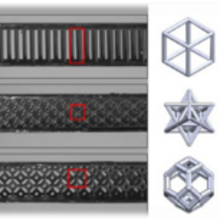
Materials structured to exhibit properties not found in nature, such as low weight materials with increased stiffness or toughness.

Combinations of materials (e.g., fibre-reinforced polymers) that offer high strength-to-weight ratios and excellent durability.

Advanced materials are key enablers of:
Clean energy systems – batteries, fuel cells, and solar panels
Digital infrastructure – semiconductors and quantum materials
Sustainable development – lightweight transport, water filtration, recyclable packaging
Health and well-being – drug delivery systems and regenerative implants
They play a vital role in tackling climate change, advancing green technologies, and supporting the global sustainable development goals.
At the Centre for Integrated Materials Research, we bring together expertise from chemistry, physics, nanoscience, engineering, and many more directions to drive innovation in advanced materials.
Our research spans:
Energy materials for storage and conversion
Green and circular materials for sustainability
Quantum and 2D materials for next-generation computing
Bio-inspired and biomedical materials for healthcare and beyond
and more
We collaborate closely with industry and international partners to translate scientific discoveries into practical solutions that can shape a more sustainable and resilient future.
Explore how advanced materials power our research and partnerships:
UN Sustainable Development Goals at AU Materials
