Material research is the science of discovering, designing, and understanding materials. How materials are structured, how they perform, and how we can make them better. From the steel in bridges to the semiconductors in smartphones, every material we rely on has been shaped through research and innovation.
At its heart, material research connects fundamental science with real-world impact, enabling everything from renewable energy and clean water to medical devices and sustainable packaging.
Materials are everywhere, but their impact goes far beyond the physical. By tailoring materials for specific needs, scientists and engineers can help solve some of the most urgent global challenges, such as:
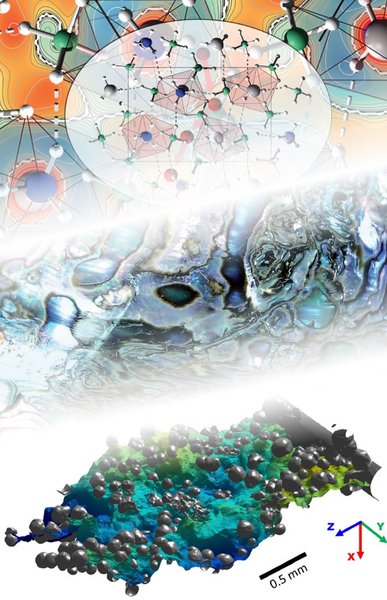
Material research spans from fundamental science and research on the atomic scale to the development and improvement of applications and includes among other things:
Studying how the arrangement of atoms and molecules affects material properties like strength, conductivity, or reactivity.
Creating materials with tailored features that are stronger, lighter, more durable, or environmentally friendly.
Using advanced tools such as microscopy, spectroscopy, and diffraction to probe a material’s structure and behavior.
Simulating and measuring how materials function in real-life conditions—from batteries and sensors to structural components and drug delivery.
Material research is inherently interdisciplinary and touches almost every sector. Some focus areas include:
Energy Materials – batteries, fuel cells, solar absorbers
Electronic and Magnetic Materials – semiconductors, quantum devices
Sustainable Materials – bio-based polymers, recyclables
Structural Materials – composites, alloys, smart surfaces
Biomaterials – materials for implants, sensors, and regenerative medicine
Catalytic Materials – for green chemistry and clean fuel production





In our Material Research Cluster (AU Materials), we unite experts from chemistry, physics, engineering, nanoscience, and many more to push the boundaries of material research.
We explore materials across:
All relevant length scales, from atoms to macro-structures and whole parts
Both natural and synthetic systems
Fundamental understanding and application-driven innovation
Our aim is to develop sustainable, high-performance and scalable materials that support a more resilient and responsible future.
Dive deeper into our research themes and their global relevance:
Advanced Materials Explained
Materials & the SDGs
