Advanced materials are important for Europe’s future. They help Europe become more climate-friendly, digitally advanced, and economically strong. To make this happen, the European Union has created a clear plan. This plan supports research and innovation in the field of materials.
Advanced materials make many new technologies possible. These technologies help reduce emissions, improve digital tools, and protect access to raw materials. For example, they are used in batteries, electric vehicles, smart buildings, and modern electronics.
However, many of the materials Europe depends on are imported. This includes lithium, rare earth elements, and other critical raw materials. Because of this, the EU wants to become more independent. It is supporting new materials, better recycling, and local alternatives.
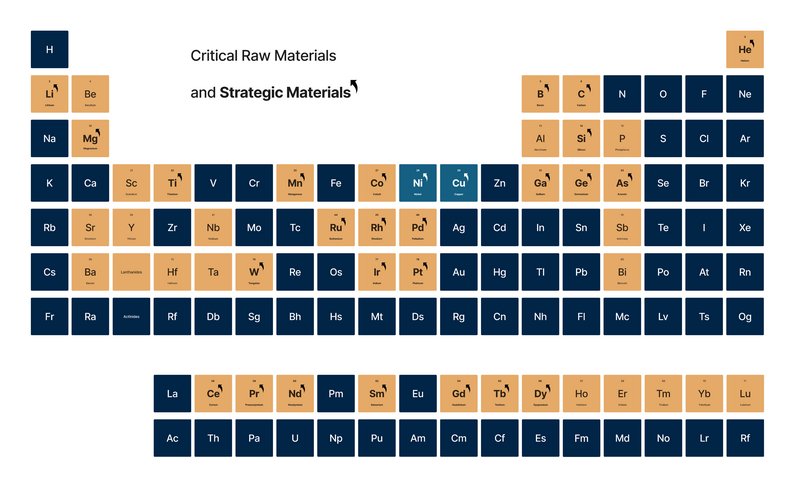
You can explore more about these materials through the Raw Materials Information System (RMIS). This site shares information about how each material is used, where it comes from, and how it is reused.
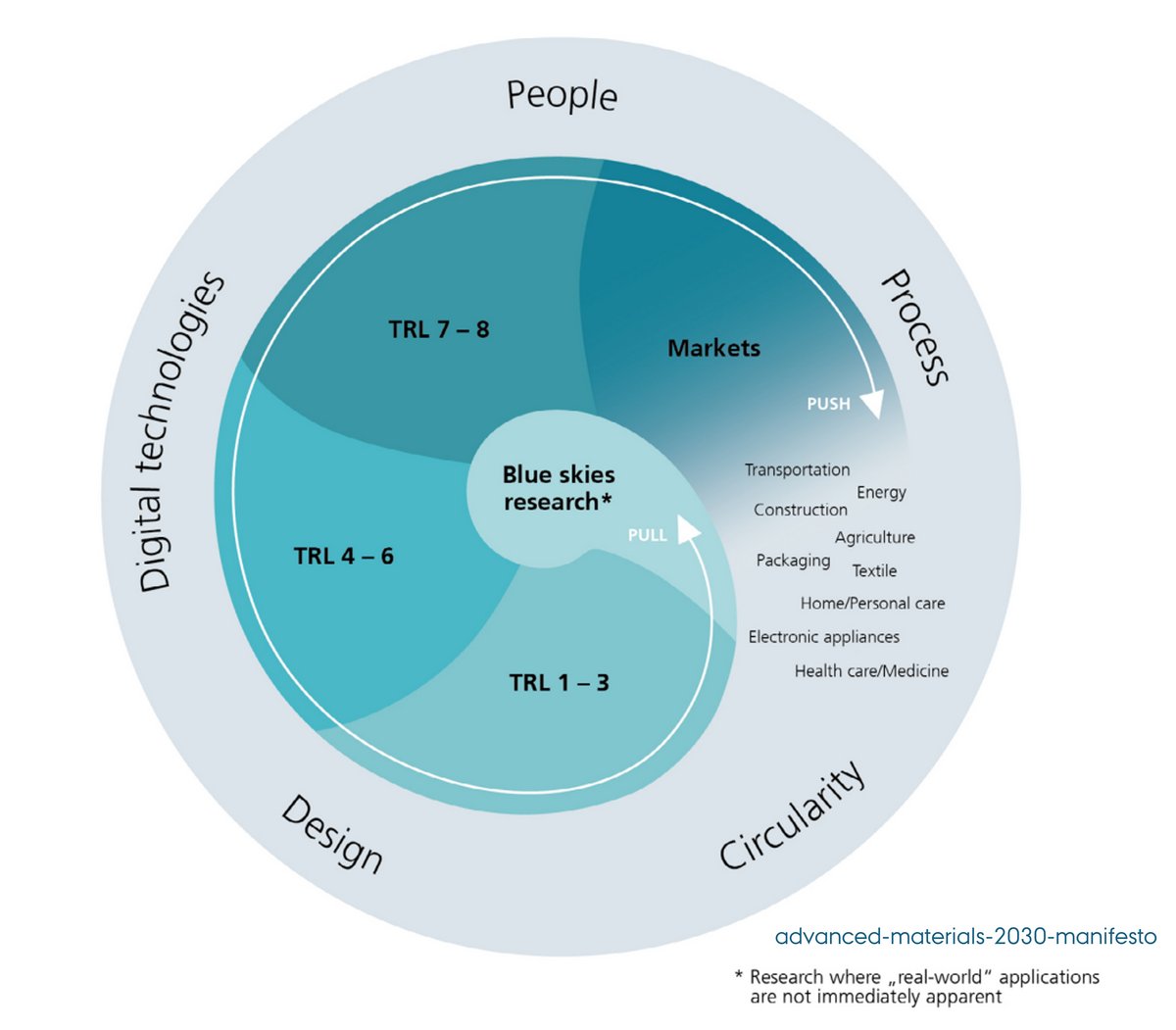
The EU has identified focus areas for advanced materials. At AU Materials, we work in many of the same areas. The table below shows how our research matches the EU goals.
We develop battery materials, solar cells, and solutions for storing hydrogen. These are needed for clean and secure energy.
For more information about the EU's definition of critical materials read about the critical raw materials act.
Learn more about our current research fields that align with EU priorities.
