The Amorphous Materials Laboratory (amoLab) works on new amorphous materials and glasses for future technologies. Examples include phase-change materials used in non-volatile memory devices and 3D printed amorphous metals, known as bulk metallic glasses, for strong yet lightweight structures. The lab uses synchrotron X-rays, neutron scattering, and advanced thermal methods to study how these materials are built and how they change with heat. This shows their atomic structure, thermodynamics, and kinetics. By understanding these details, we can create materials with better performance. The results help advance technological innovations in electronics, photonics, and engineering.
Glass transitions, structure, amorphous materials, amorphous metals, phase change materials, supercooled liquid, relaxation dynamics
Materials for electronic and photonic switching devices
Bioimplants, high hardness, wear and corrosion resistance in structural applications
Thermal analytical techniques and synchrotron X-rays/neutron scattering
Time-resolved and in-situ structural characterization
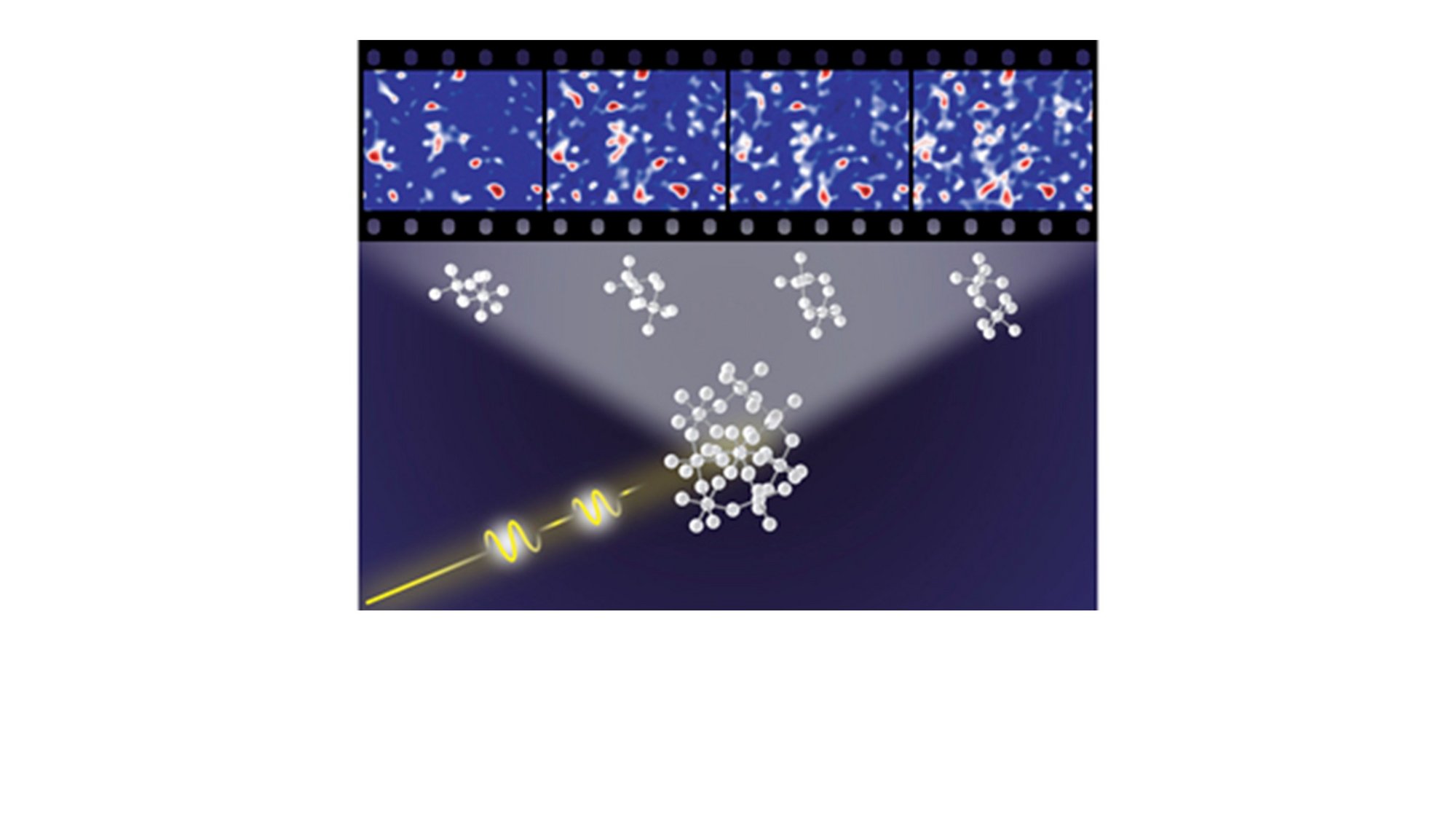
Light-induced structural dynamics
Phase change materials, Neutron and Synchrotron-Based Characterization, Spectroscopic and Microscopic Techniques, Disorder and Self-Assembly at Interfaces, Electronic Structure and Optical Properties of Surfaces, Sustainable Materials, Optimization of Mechanical Properties

